UNDERSTANDING DIFFERENT FORKLIFT TYPES AND THEIR APPLICATIONS
When choosing the right material handling equipment for your operation, understanding the different forklift classifications is essential to maximizing efficiency and productivity.
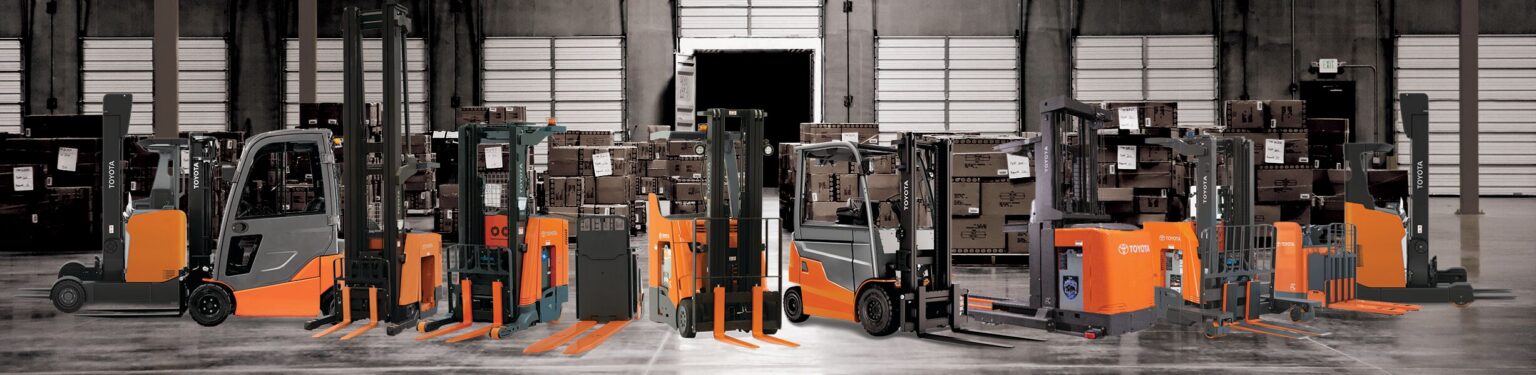
A forklift is a powered industrial truck used to lift and move materials, but with so many varying forklift classes and subtle differences between models, it can be difficult to know where to begin your search. Generally, the industry recognizes 7 types of forklifts, which are officially categorized by the ITA into specific types based on engine, environment, and operator position.

The 7 Different Forklift Classifications
While there are dozens of specialized sub-models, almost all warehouse vehicles fall into one of these seven common types of forklifts:
1. Electric Motor Rider Forklifts
2. Electric Motor Narrow Aisle Forklifts
3. Electric Hand/Rider Pallet Jacks, Stackers, & Tow Tractors
4. Internal Combustion Cushion Tire Forklifts
5. Internal Combustion Pneumatic Tire Forklifts
6. Electric & Internal Combustion Engine Tractors
7. Rough Terrain Forklifts
Navigating the Industrial Truck Association (ITA) Forklift Classifications
Class I: Electric Motor Rider Forklifts
A Class I forklift is an electric-motor rider truck. These electric-powered forklifts can be either stand-on or sit-down forklifts and can have 3 or 4 wheels. They are ideal for loading and unloading tractor-trailers, handling pallets, and navigating tight indoor spaces. Because they are powered by an electric battery (which also acts as counterweight), Class 1 forklifts are quiet and energy efficient, making them the standard choice for food storage, retail, and general indoor warehousing.
Popular Models:
Class II: Electric Motor Narrow Aisle Forklifts
Class II forklifts are electric narrow-aisle models specifically designed for maneuvering in tight spaces. This forklift type, which includes Reach Trucks and Order Pickers, is perfect for high-density inventory management, giving users the ability to increase vertical racking space without expanding their facility footprint.
Popular Models:
Class III: Electric Motor Hand/Rider Pallet Jacks/Stackers/Tow Tractors
Class III equipment includes electric pallet jacks, stackers, and tow tractors. This forklift classification comes in both rider and walk-behind (“walkie”) models, with an operator handle for steering and acceleration, perfect for unloading deliveries and moving loads to a staging area over short distances.
Popular Models:
Class IV: Internal Combustion Cushion Tire Forklifts
A Class IV forklift is a sit-down, internal combustion (IC) engine truck equipped with solid cushion tires. Operating on LP (liquid propane), diesel, or gasoline, these machines are incredibly powerful but are designed strictly for indoor use on smooth, flat surfaces like warehouse concrete.
Popular Models:
Class V: Internal Combustion Pneumatic Tire Forklifts
Class IV Forklifts are internal combustion engine cushion tire trucks. This class of sit-down forklifts is designed for indoor use. Class IV Forklifts are powered by internal combustion (IC) engines that run on diesel fuel, LP gas, gasoline, or compressed natural gas. Their solid, cushioned tires provide a smooth ride on indoor surfaces and they’re puncture-proof since they are not air-filled.
Toyota offers Class IV models with lifting capacities ranging from 3,000 to 100,000 pounds. Click on each of the forklift models below to learn more about their individual features.
Class V: Internal Combustion Engine Pneumatic Tire
Class V forklifts are highly similar to Class IV models, but they feature rugged, shock-absorbing pneumatic tires. These heavy-duty forklifts are designed primarily for outdoor use on uneven terrain, making them ideal for lumber yards, construction sites, and outdoor shipping lots. They are also available with LP (liquid propane), diesel, or gasoline.
Popular Models:
Class VI: Electric/ IC Engine Tow Tractors
Class VI equipment includes electric and internal combustion engine tow tractors. These machines are most commonly used for towing heavy loads rather than lifting them vertically. Trucks in this class are ideal for use at airports and assembly line areas.
Popular Model:
(Note: Class VII refers to Rough Terrain Forklift Trucks, which are specialized heavy-duty machines featuring large flotation tires for construction sites.)
How to Choose Between IC and Electric Forklifts
Deciding whether an internal combustion or electric forklift is appropriate for your application can seem like a daunting task. Here is a quick comparison:
Electric Forklift Benefits
- Lower emissions
- Quieter operation
- No fuel-storage requirements (requires a charging station instead)
- Typically require less maintenance than IC forklifts
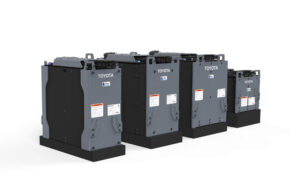
- Compatible with advanced lithium-ion batteries
Internal Combustion (IC) Forklift Benefits
- Operate on liquid propane (LP), gas, or diesel
- Primarily used outdoors in various weather conditions
- No batteries to recharge (instant refueling)
- Exceptional power (Toyota’s IC line can lift over 125,000 lbs.)
Frequently Asked Questions
What are the 7 different classes of forklifts?
What is a Class I forklift?
A Class I forklift is an electric-motor rider truck, a sit-on or stand-on forklift. They utilize batteries that act as counterweights and are used primarily indoors due to their reduced emission operation.
What is a Class IV forklift?
A Class IV forklift uses an internal combustion engine but features smooth, solid cushion tires. This means it has the high power of a liquid propane/gas engine but is designed strictly for smooth indoor concrete surfaces.
View Toyota Material Handling original post HERE
Share this Post
Other Post


UNDERSTANDING DIFFERENT FORKLIFT TYPES AND THEIR APPLICATIONS

10 Things You’ll Learn in Forklift Operator Safety Training

Forklift Certification: 3 Training Requirements Every Operator Should Know