Forklift costs vary based on the type of equipment, capacity, power source, lift height, features, and application. Smaller warehouse equipment may cost under $10,000, while larger or specialized forklifts can exceed $100,000. Understanding what affects forklift pricing can help you compare options and choose the right equipment for your operation.
What Impacts Forklift Pricing?
Several factors determine the cost of a forklift. Capacity, power source, lift height, attachments, tires, battery and charger requirements, technology, and other equipment options can all affect the final price. The operating environment and specific application also play an important role in determining which forklift is the right fit.
New vs. Used Forklift Costs
New forklifts typically have a higher upfront cost but offer the latest technology, full equipment life, and manufacturer warranty coverage. Used forklifts can provide a lower-cost alternative, especially for operations with lighter usage or a limited budget. When comparing new and used equipment, consider the forklift’s age, hours, condition, maintenance history, and expected usage.
Forklift Capacity
Higher-capacity forklifts generally cost more because they require larger frames, stronger components, and additional lifting power. A standard warehouse forklift will typically cost less than equipment designed for heavy-duty or high-capacity applications.
Electric vs. Internal Combustion
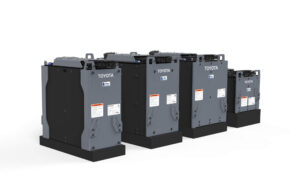
Electric and internal combustion forklifts have different equipment and operating costs. Battery and charger requirements can affect the cost of an electric forklift. In comparison, internal combustion forklifts use engines powered by fuels such as LPG, gasoline, or diesel. The best option depends on your operating environment, usage, and application.
Lift Height and Attachments
Required lift height, mast configuration, specialized tires, fork dimensions, and attachments can affect forklift pricing. Applications requiring specialized equipment or configurations will generally cost more than a standard forklift.
Technology and Options
Additional features such as fleet management technology, operator-assist features, specialized controls, lighting, and other options can also affect the final equipment price.
Forklift Purchase vs. Rental
Buying a forklift may make sense for equipment that will be used regularly over several years, while renting can provide flexibility for seasonal demand, short-term projects, or temporary equipment needs. The right choice depends on how often the forklift will be used, how long it is needed, and your operation’s budget and equipment requirements.
Consider the Total Cost of Ownership
The purchase price is only one part of the overall cost of a forklift. Maintenance, repairs, fuel or electricity, batteries, tires, downtime, and expected equipment life can all affect the total cost of ownership. Choosing equipment that fits your application and maintaining it properly can help control operating costs and maximize long-term value.
Get a Forklift Quote in Idaho & Utah
Forklift pricing depends on the equipment and specifications your operation requires. Dillon Toyota Lift can help you compare new and used forklifts, rental options, and equipment configurations to find the right solution for your application and budget. Contact our team for a forklift quote in Idaho or Utah.
Forklift prices vary widely depending on capacity, power source, lift height, attachments, and other specifications. Smaller warehouse equipment may cost under $10,000, while larger or specialized forklifts can exceed $100,000.
Forklift pricing is influenced by factors such as lifting capacity, mast and lift height, electric or internal combustion power, tires, attachments, battery and charger requirements, technology, and other equipment options.
Used forklifts generally have a lower initial purchase price than new equipment. However, equipment age, operating hours, condition, maintenance history, and expected repair costs should also be considered when comparing new and used forklifts.
Buying may make sense for equipment that will be used regularly over a longer period. Renting can provide more flexibility for seasonal demand, short-term projects, temporary equipment needs, or businesses that do not want to make a long-term equipment investment.
Dillon Toyota Lift provides new and used forklifts, rentals, and material handling equipment throughout Idaho and Utah. Our team can help determine the equipment specifications required for your application and provide a quote based on those needs.